
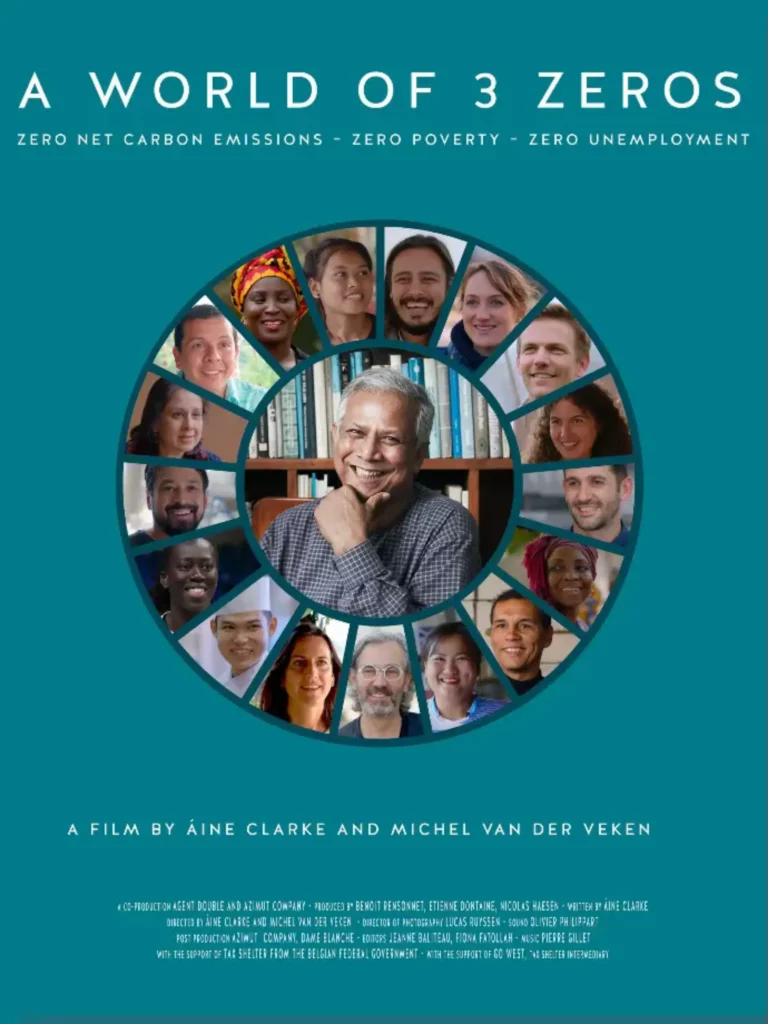
Source: IMPACTDOTS,2025 (Nobel Laureate, Professor Yunus)
We can remove poverty from the surface of the earth only if we can redesign our institutions, like the banking institutions, and other institutions; if we redesign our policies, if we look back on our concepts, so that we have a different idea of poor people.
If you think creating a world without any poverty is impossible, let s do it. Because it is the right thing to do.
I strongly believe that we can create a poverty-free world, if we want to.... In that kind of world, the only place you can see poverty is in the museum. When school children will be on a tour of the poverty museum, they will be horrified.
The direct elimination of poverty should be the objective of all development aid. Development should be viewed as a human rights issue, not as a question of simply increasing the gross national product GNP.
People were poor not because they were stupid or lazy. They worked all day long, doing complex physical tasks. They were poor because the financial institution in the country did not help them widen their economic base.
Even today we don't pay serious attention to the issue of poverty, because the powerful remain relatively untouched by it. Most people distance themselves from the issue by saying that if the poor worked harder, they wouldn't be poor .
The poor themselves can create a poverty-free world. All we have to do is to free them from the chains that we have put around them.
To overcome poverty and the flaws of the economic crisis in our society, we need to envision our social life. We have to free our mind, imagine what has never happened before and write social fiction. We need to imagine things to make them happen. If you don...
Poverty has been created by the economic and social system that we have designed for the world. It is the institutions that we have built, and feel so proud of, which created poverty.
There are cultural issues everywhere - in Bangladesh, Latin America, Africa, wherever you go. But somehow when we talk about cultural differences, we magnify those differences.
I’m encouraging young people to become social business entrepreneurs and contribute to the world, rather than just making money. Making money is no fun. Contributing to and changing the world is a lot more fun.
I'm on the faculty. I teach. And it's not easy for a poor person to enter the campus to track down the professor in the campus in a Bangladesh situation. They all will be stopped at the gate. You have no business in the university!
The developing world is full of entrepreneurs and visionaries, who with access to education, equity and credit would play a key role in developing the economic situations in their countries.
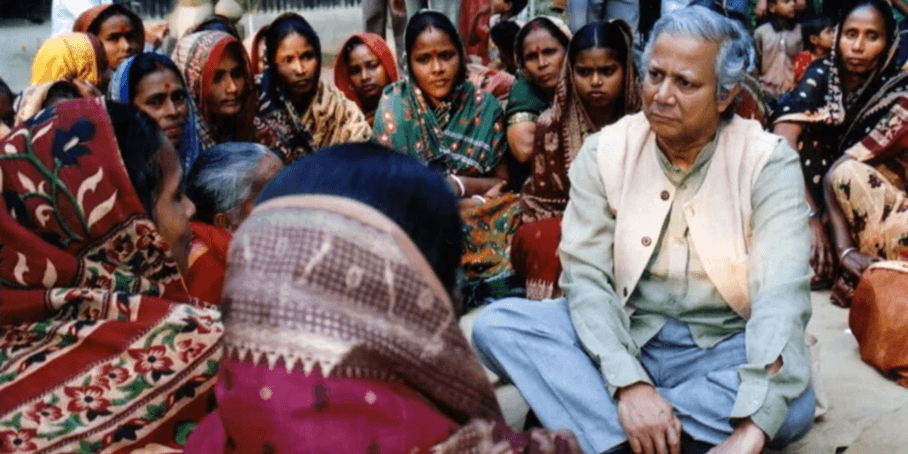
“Human creativity is unlimited. It is the capacity of humans to make things happen which didn’t happen before. Creativity provides the key to solving our social and economic problems.”
Making money is a happiness. And that’s a great incentive. Making other people happy is a super-happiness.
things are never as complicated as they seem. It is only our arrogance that prompts us to find unnecessarily complicated answers to simple problems.
We can remove poverty from the surface of the earth only if we can redesign our institutions, like the banking institutions, and other institutions; if we redesign our policies, if we look back on our concepts, so that we have a different idea of poor people.
Poverty, unemployment, and carbon emissions are global problems. What if there was a way to face these issues and bring them to zero? Borrowing its title from Muhammad Yunus’ bestseller A World of 3 Zeros, this documentary explores new ways of living together and doing business in a responsible and sustainable perspective. Zero net carbon emissions. Zero poverty. Zero unemployment. In solidarity and inclusiveness while respecting the planetary boundaries and leaving no one behind to reclaim cultural empowerment.
“Cultural empowerment recognises and values the cultural heritage of a place and the people who make up the tourism destination. This acknowledges the position taken by Indigenous communities, who understand cultural diversity as the root of a more moral, spiritual, ethical and sustainable way of life”
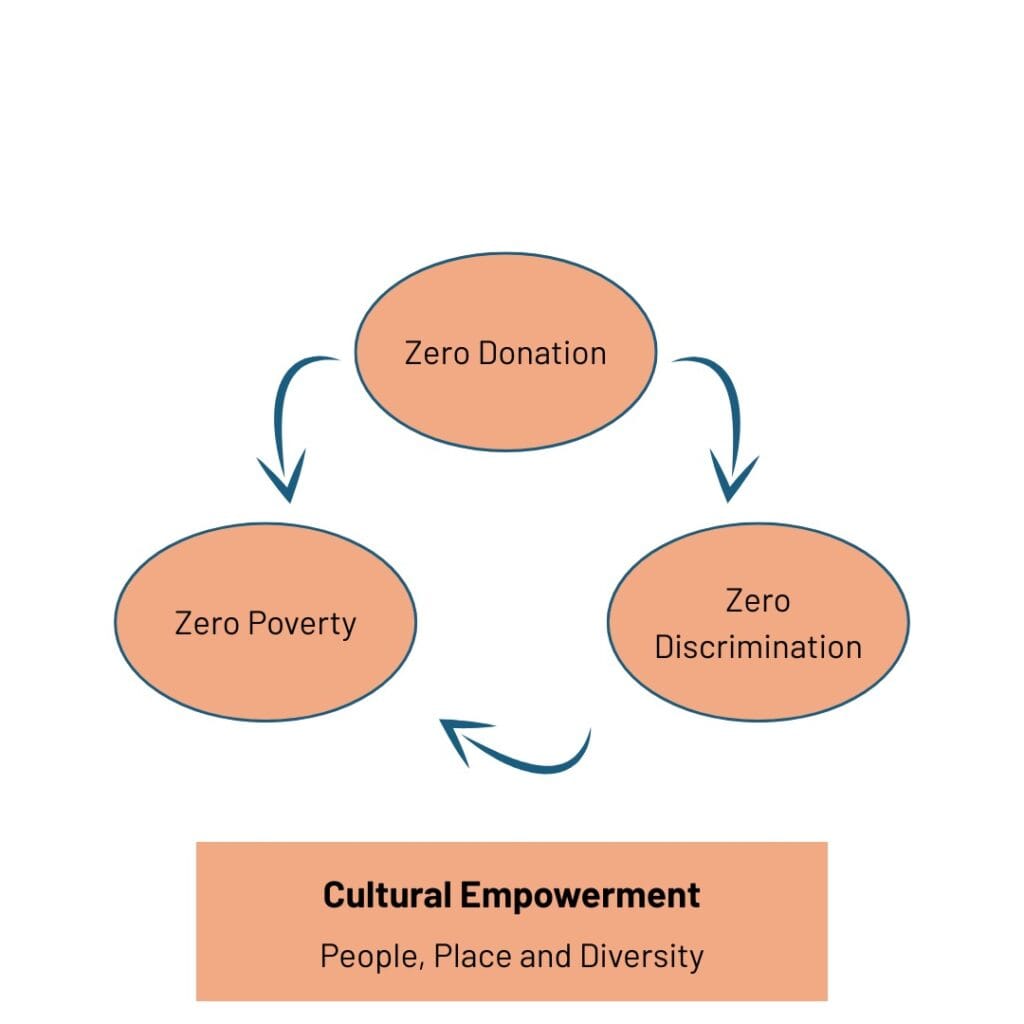
Source: Adopted from IMPACTDOTS,2025 (Nobel Laureate, Professor Yunus)