













We provide support and education to help individuals break free from cycles of domestic abuse.

Our training empowers individuals to deal with harassment and pressure from in-laws effectively.

We raise awareness and offer guidance to combat financial exploitation and dowry-related issues.

We help participants recognize and address harmful verbal behaviors that affect mental well-being.

We educate individuals on securing and asserting their legal property rights.

Our programs focus on prevention, support, and legal awareness regarding sexual crimes.

We promote the right to express opinions safely and confidently in all settings.
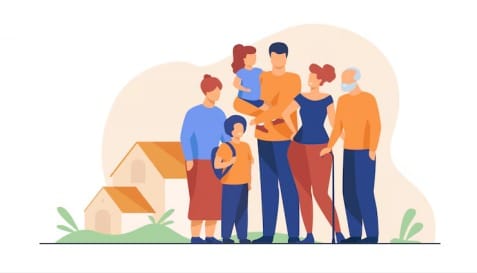
We encourage inclusive family decision-making and leadership skills for all members.
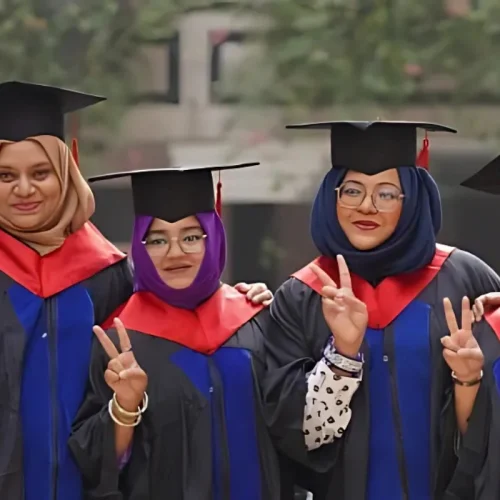

In this section, the author classifies two broad categories of business practices dominated by national and international middlemen (e.g. Amazon, Walmart), which often marginalize grassroots-level producers. She further presented these concerns to UN Human Rights mechanisms to draw global attention to the issue. The analysis suggests that existing global research and policy frameworks remain insufficient in effectively integrating local producers into national and international value chains. This exclusion not only limits economic opportunities but also raises concerns regarding the violation of fundamental human rights, particularly in relation to copyright, equitable access, participation, and sustainable livelihoods.
Safe Food beyond the Middleman:
Promoting Native Crops as Alternatives to Industrialized Toxic Food
Food safety is a critical factor in ensuring the production of high-quality and nutritious food. From a public health perspective, the safety of food should be a fundamental criterion for all food consumed by the population. Producers play a central role in this process, as the food they distribute must comply with local government standards for quality and safety.
Evidence suggests that food safety issues are particularly prevalent among small- and medium-sized food enterprises, a problem that has persisted over time. This is especially concerning given that small- and medium-sized enterprises represent the most significant potential suppliers of food in Indonesia. According to the World Health Organization (WHO), approximately 2 million people worldwide die each year as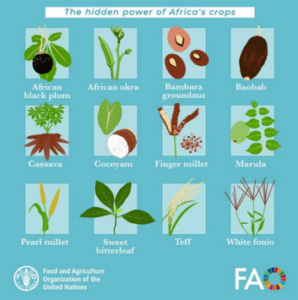 a result of unsafe food (Damaya nti, F. N. & Wahyati, E., 2018).
Further evidence indicates that small- and medium-sized enterprises often fail to receive fair benefits from local products, which hinders their ability to implement hygiene-based production, particularly in developing countries like Bangladesh. A recent report by the Bangladesh Trade and Tariff Commission (BTTC), surveying four districts and 20 markets, confirmed that farmers are not receiving fair prices for their produce, while middlemen continue to capture the majority of profits. These findings underscore the urgent need for institutional interventions to protect farmers and ensure equitable returns, thereby enabling the development of hygiene-based production models to combat industrially produced toxic food.
Cultural Empowerment beyond Middlemen: Native Crafts as Low-Carbon Alternatives to Single Plastic pollution
In Bangladesh, the crafts sector (handlooms, jute, Nakshi Kantha, pottery) is vital but faces challenges with intermediaries, who often exploit artisans by taking large cuts, leaving them with low pay and little creativity. In terms of market access, Branded NGO like Aaarong, National Craft Council, Kumudini, Tangail Saree Kutir have a major share of benefit and Intellectual Property Rights which leaving behind the cultural empowerment of grassroot level (economic, psychological, social and political). Some of those brands are accredited internationally to be certified by UNESCO Award of Excellence for Handicrafts that undercut the cultural empowerment of creative communities in terms of ownership and benefit distribution.
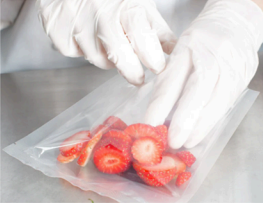
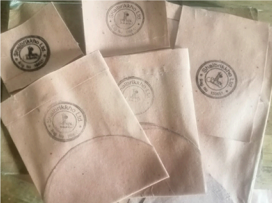
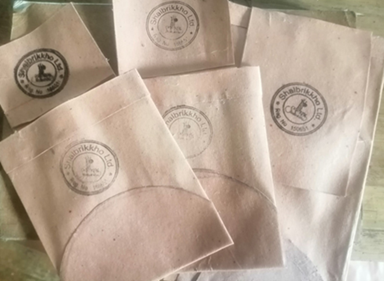
Plastic vs Biodegradable polka
Digital Copyright–Based Model and Cultural Empowerment: Forecasting an Amazon-Like Platform for Native Empowerment
Considering the high potential of agricultural products and crafts, particularly in developing countries, we propose advancing research to develop a digital marketplace—similar to Amazon—where global consumers can directly purchase authentic farming products from Indigenous heritage communities, ensuring fair and appropriate benefits that support native empowerment. I would like to highlight that we are currently collaborating with UN Women Bangladesh to design a digital, copyright-based model specifically for customary farmers. Additionally, we propose formally recognizing these heritage products as endemic to specific Indigenous farmers and communities through an appropriate copyright framework based on the Digital based Copyright model to foster cultural empowerment. This approach will support nature-friendly technologies and sustainable production methods, ensure environmental stewardship, and promote the economic and cultural empowerment of Indigenous farmers by enabling direct benefits beyond the middleman.
Furthermore, the copyright-based cultural empowerment model aligns with the Kunming-Montreal Global Biodiversity Framework (Target 1), which seeks to ensure that all areas are managed through participatory, integrated, and biodiversity-inclusive spatial planning or effective management processes. This approach aims to reduce the loss of areas of high biodiversity importance, including ecosystems with high ecological integrity, to near zero by 2030, while respecting the rights of Indigenous peoples and local communities.
| Grocery FP EP TX CPR |
Craft FP EP TX CPR |
||||||
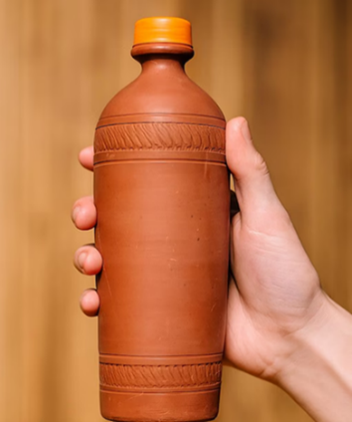
| Fruit and vegetable | Dairy and Egg | Meat and seafood | Eco-Friendly Single-Use Plates Made from Areca Nut Leaves | Clay Cups: Single-Use and Reusable Options | Jute as an Alternative to Plastic | Polka and Banana leaves: Alternatives to Conventional Plastic Wrap and Foil Paper | Clay Water Bottles: Increasing Market Demand |
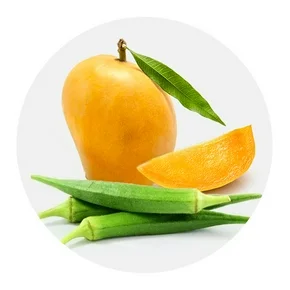 |
 |
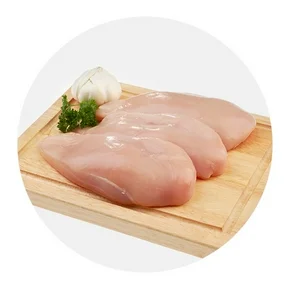 |
 |
 |
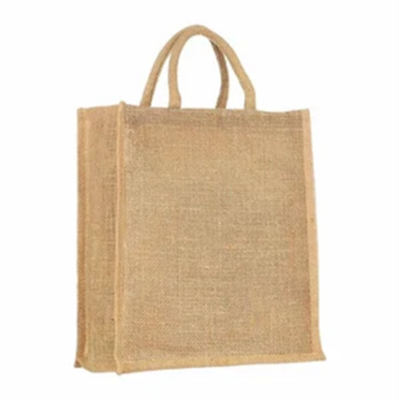 |
 |
 |
FP: Farm Price; EP: Estimated Price (40% covers adjusted to local costs) ; CPR: Copyright; TX: Tax