WCEI supports women in overcoming cultural and economic barriers by providing education, life skills, and leadership guidance — helping them thrive in family and society.
About Us
WCEI is an international leading not-for-profit organization with a mission to the empowerment of women in situations of family violence, poverty, and cultural injustice. Financial and legal support alone cannot help women to be empowered in family and society, especially in the communal heritage of developing countries.
The literacy rate and economic empowerment of women are increasing but that is insufficient to prove women’s political leadership. In this modern era, women empowerment should focus beyond economic empowerment and overcome the barriers to psychological and cultural empowerment of women founded in traditional family heritage. We provide support to women to flourish their dreams by guiding them in every walk of their life – from educating themselves in renowned institutes to enhancing their vocational life skills, empowering themselves in their families and society through developing leadership skills.
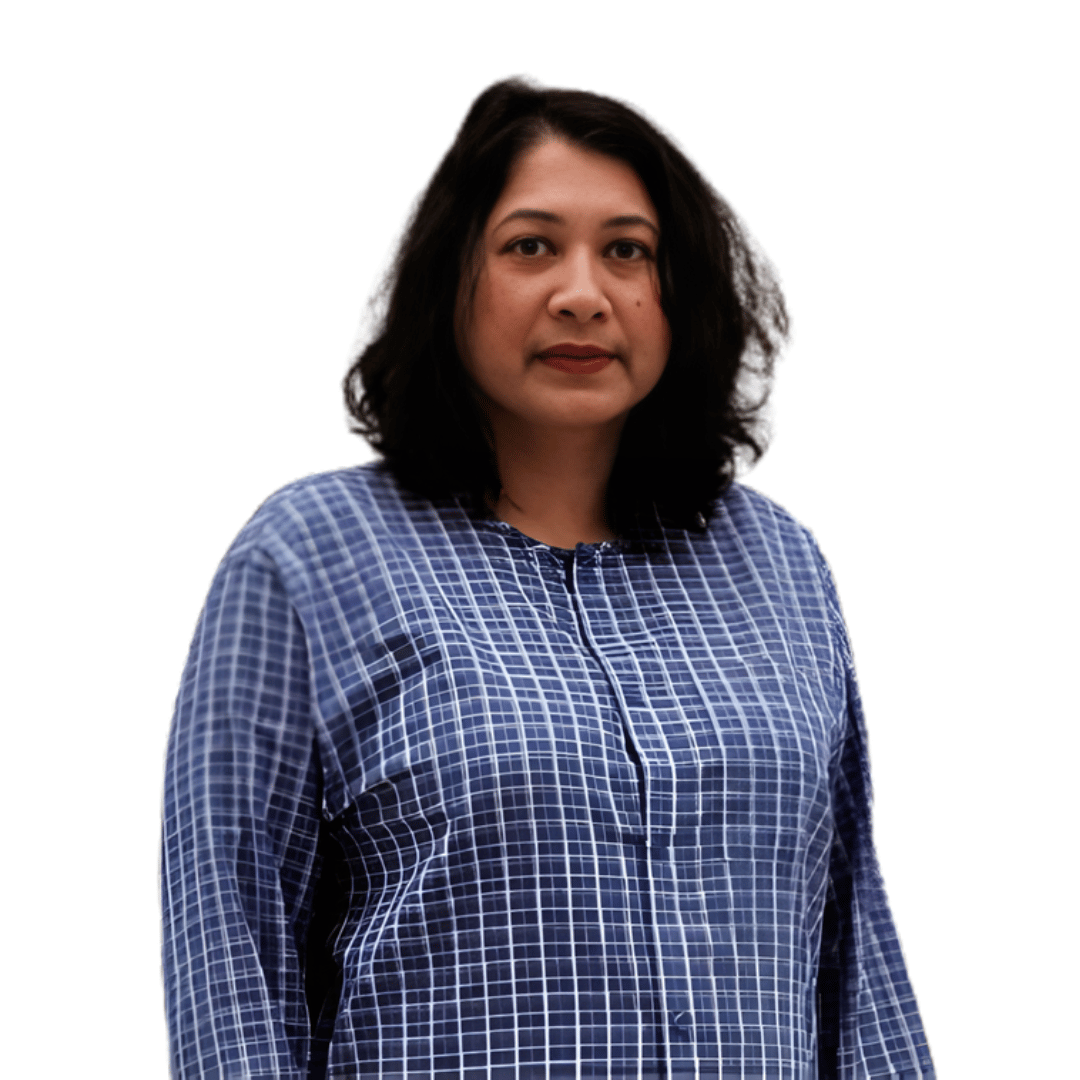
WCEI takes a business approach to ending poverty, using social enterprise models to recover costs and accelerate impact at scale for strong community growth and care.
WCEI ensures transparency in research and operations, archiving all sources while upholding copyright and international law to promote trust, accountability and care.
At WCEI, we go beyond aid to drive real transformation through education, cultural empowerment, academic mentorship, and sustainable development models. Our work is designed to build leadership, independence, and dignity for women and underserved communities—locally and globally.
At WCEI, we are proud to collaborate with a diverse network of partners and stakeholders who share our vision for creating a more inclusive and empowered society. Through these partnerships, we work together to drive impactful change, foster cultural understanding, and promote equality.
Griffith Institute for Tourism, Griffith University
Griffith Institute for Tourism, Griffith University
Partnering: Dr. Shahida Khanom
Griffith Alumnae who pursued PhD in Tourism
Year: 2016–2020
The Daily Prothom Alo
The Daily Prothom Alo
Media Partner
Highest Popular and Circulated Newspaper
Bangladesh
At WCEI, our values form the foundation of everything we do. We believe in empowering women to become cultural change-makers, strengthening communities, and fostering holistic socio-cultural development.
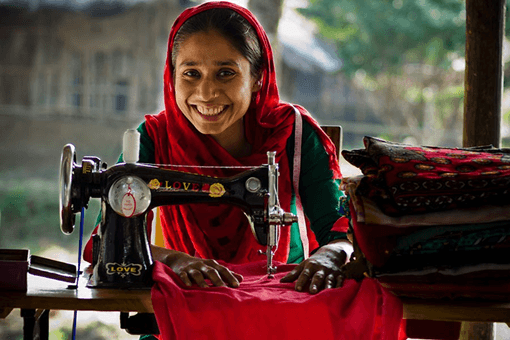
We grow up seeing that our mother is the nuclear and primary caregiver of the family. By nature, and in practice mother has a strong influence on kids compared to the father to be a empowerment change maker.
Cultural empowerment through mutual support is central to our values. We focus on inclusion for those who need it most and aim to strengthen reciprocal norms that guide benefit to all.
WCEI will advocate for cultural empowerment aligned with SDG 5, working with the United Nations, key organizations, and local communities to advance meaningful and inclusive growth.
WCEI stands for Women Cultural Empowerment International.
It is a global initiative dedicated to empowering women and communities through cultural identity, creative expression, and heritage-based entrepreneurship. WCEI promotes sustainable development by focusing on culture as a tool for social and economic transformation.
Cultural Empowerment is the process of strengthening individuals and communities by valuing and promoting their traditions, heritage, creativity, and cultural identity. It encourages people—especially marginalized groups—to take pride in their customs, arts, music, rituals, and knowledge, and to use these as tools for personal, social, and economic growth.
Cultural Empowerment especially focuses on women because they are often the primary carriers of intangible heritage—like storytelling, festive traditions, music, and rituals. Through cultural tourism, creative industries, and community-based businesses, women can gain financial independence, confidence, and leadership roles while preserving their heritage.
Cultural Empowerment directly supports the Three Zero Goals introduced by Nobel Laureate Muhammad Yunus:
Zero Poverty – by creating local cultural businesses.
Zero Unemployment – by involving communities, especially women, in sustainable cultural work.
Zero Net Carbon Emission – by using eco-friendly practices rooted in traditional lifestyles.
Zero Donation means moving away from dependency on external aid or charity. Instead of relying on financial donations from foreign countries or institutions, the goal is to empower communities through self-sustaining, culturally rooted businesses that generate income, preserve identity, and build confidence.