
The right to culture refers to the ability of every individual and community to access, participate in, preserve, and develop cultural life. According to UNESCO, cultural rights include heritage, language, traditions, artistic expression, and participation in the digital environment. These rights are both individual and collective, allowing people to maintain their identity while contributing to cultural diversity and social cohesion. Cultural rights are therefore closely linked to dignity, equality, and sustainable development. To protect these rights, governments and international organisations must create legal frameworks and public policies that support cultural identity, heritage conservation, and artistic freedom while ensuring active community participation. This is where WCEI positions itself as a vehicle for community empowerment.
One of the key challenges in protecting cultural rights is the imbalance of power between local communities, education and state authorities in heritage conservation. In many developing countries, heritage management often excludes the very people who have historically maintained cultural traditions connected to heritage sites. The case of Somapura Mahavihara, widely known as the Paharpur World Heritage Site, demonstrates this problem clearly. Although projects supported by UNESCO and the Department of Archaeology in Bangladesh sought to incorporate local input, implementation remained limited. Communities that once prayed and performed rituals there gradually lost access to the site. This reflects how heritage governance frequently prioritises state authority and elite interests over communal cultural rights and local ownership.
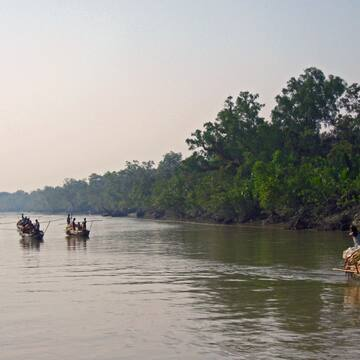
A similar issue exists in natural heritage conservation. The Sundarbans, the world’s largest mangrove forest, has long been connected to customary communities whose livelihoods and traditions depend on the forest. However, colonial and postcolonial conservation policies restricted local access and weakened customary rights. Despite these tensions, cultural traditions within the Sundarbans continue to strengthen community identity and environmental stewardship. The Rush Mela festival at Dublar Char, associated with the worship of Bonobibi and Gazi Kalu, promotes interfaith harmony and collective pride among local people. Cooperation between fishermen and forest authorities during the festival also demonstrates how participatory conservation can encourage sustainable tourism and stronger community engagement.
The protection of Intangible Cultural Heritage (ICH), including oral traditions, rituals, music, and indigenous knowledge, also raises important questions about authenticity and power. Scholars often distinguish between “cool authentication”, led by external institutions such as UNESCO, and “hot authentication”, driven by communities themselves. Sustainable cultural empowerment requires a balance between these approaches through mutual recognition and participation. Intellectual Property Rights (IPR) and Geographical Indications (GI) are becoming increasingly important in protecting traditional knowledge and cultural expressions from exploitation.
Youth participation has also become a vital dimension of cultural empowerment. Organisations such as Women Cultural Empowerment International and Welsh Centre for International Affairs emphasise that education, intercultural dialogue, volunteering, and creative expression are essential for strengthening cultural identity and environmental awareness. Ultimately, cultural empowerment extends beyond legal recognition. It enables communities to influence decisions affecting their heritage, biodiversity, and future. In the context of sustainable development, recognising indigenous and marginalised communities as custodians of both nature and culture is essential for achieving a more inclusive and sustainable world.
Co-author
Dr. Shahida Khanom
Dr. Valery Emeson